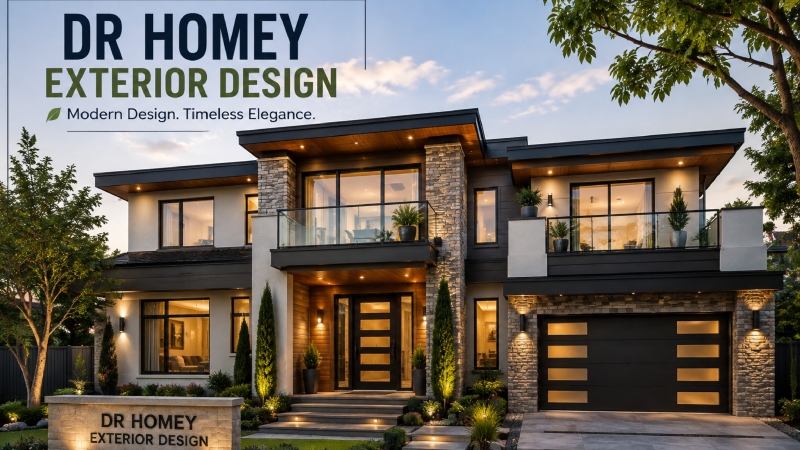
The exterior of your home is the first thing anyone sees — long before they step through your front door. Dr Homey exterior design is a philosophy built around one simple idea: a house should feel welcoming from the curb, not just from the couch. Rather than chasing fleeting trends, this approach blends comfort, function, and timeless style to create outdoor spaces that feel like an extension of home itself. Whether you’re planning a full renovation or a handful of weekend upgrades, understanding the principles behind Dr Homey exterior design can help you transform your property into a space that’s both beautiful and practical.
What Makes Dr Homey Exterior Design Different
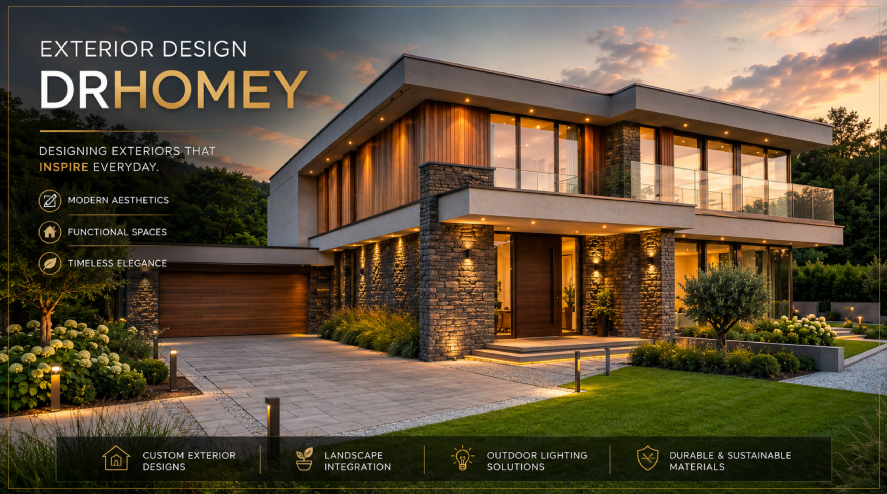
Unlike hyper-modern styles that can feel cold or sterile, Dr Homey exterior design leans into warmth and texture. It’s not about stripping a home down to sharp lines and glass — it’s about layering natural materials, soft lighting, and thoughtful landscaping so a house feels lived-in and cared for. The goal is balance: an exterior that looks polished without feeling staged, and comfortable without feeling cluttered.
Core Elements of the Dr Homey Approach
A Cohesive Color Palette
Color sets the emotional tone of a home’s exterior. Earthy, muted shades — warm browns, soft greens, sandy neutrals — tend to create a calming first impression. The key is consistency: your trim, siding, door, and accents should feel like they belong to the same story, not a patchwork of unrelated choices.
Natural, Durable Materials
Wood accents, stone facades, and textured siding all add depth that flat paint alone can’t achieve. Beyond aesthetics, natural materials tend to age gracefully, which matters for long-term curb appeal and resale value. When choosing materials, weigh both visual warmth and how well they’ll hold up against your local climate.
Thoughtful Landscaping
Greenery softens architecture and connects a house to its surroundings. Layered plantings, defined pathways, and well-placed trees do more for curb appeal than any single design feature. For smaller properties, vertical gardens or container plants can add lushness without overwhelming the space.
Purposeful Lighting
A home that looks stunning in daylight but disappears after dark is only half-finished. Layered exterior lighting — pathway lights, accent uplighting on architectural features, and warm porch fixtures — extends your home’s appeal into the evening while improving safety and security.
Functional Outdoor Living Spaces
Cozy seating areas, covered porches, and well-defined entryways invite people to linger rather than just pass through. These spaces should feel like a natural extension of the home’s interior style, using complementary textures and colors to avoid a disjointed look.
Common Mistakes to Avoid
Even well-intentioned exterior upgrades can miss the mark. A few frequent pitfalls include:
- Overloading the palette — too many competing colors create visual noise instead of harmony.
- Oversized landscaping — plants and trees that obscure architectural details rather than highlighting them.
- Cutting corners on materials — cheaper options often mean more frequent repairs down the line.
- Neglecting maintenance — even the best design fades quickly without regular upkeep.
- Ignoring nighttime appeal — skipping lighting design leaves half the home’s presence unrealized.
Why Exterior Design Matters for Home Value
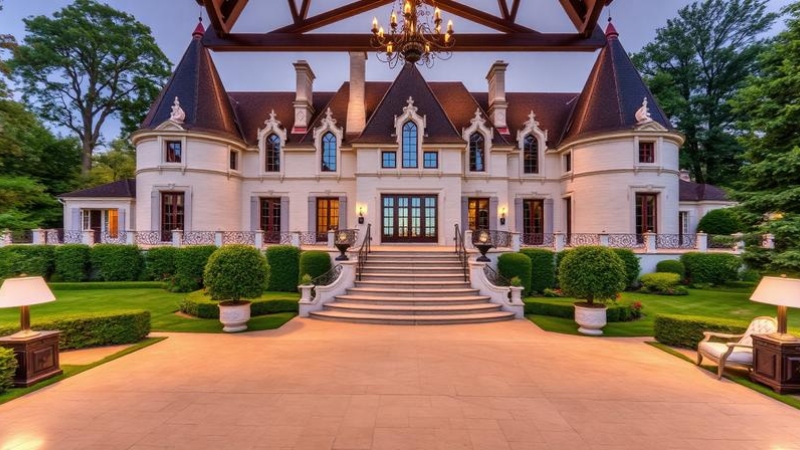
Curb appeal isn’t just about pride of ownership — it has real financial weight. Real estate professionals frequently note that a well-designed exterior can meaningfully boost a home’s perceived value and help it sell faster. Buyers form an impression within seconds of arriving, and a warm, cohesive exterior signals that the rest of the home has been equally well cared for.
Getting Started With Your Own Dr Homey-Inspired Exterior
You don’t always need major changes to make a noticeable difference. Small, thoughtful improvements can deliver impressive results.
- Audit your current exterior — note what feels disconnected or dated.
- Choose a color story — pick two or three complementary tones and apply them consistently.
- Upgrade lighting fixtures — this is often the highest-impact, lowest-cost change.
- Refresh landscaping — prune overgrowth and add layered greenery near entry points.
- Add one cozy touch — a bench, planter, or seating nook near the front door goes a long way.
FAQ’s
What Is Dr Homey Exterior Design?Dr Homey Exterior Design refers to a stylish approach to home exteriors that focuses on modern architecture, clean lines, attractive finishes, and strong curb appeal.
What Makes Dr Homey’s Exterior Design Unique?
Its appeal comes from the combination of modern architectural details, balanced proportions, elegant materials, and thoughtful exterior elements that create a polished look.
What Exterior Features Make a Home Look Modern?
Clean architectural lines, large windows, neutral finishes, contemporary lighting, simple landscaping, and well-designed entryways can give a home a modern exterior appearance.
How Can I Recreate a Similar Exterior Style?
Start with a clean architectural design, choose complementary exterior materials, add modern lighting, improve landscaping, and keep decorative elements simple and balanced.
Why Is Exterior Design Important for a Home?
A well-designed exterior can improve curb appeal, create a strong first impression, and make the overall property feel more attractive, welcoming, and visually cohesive.
Final Thoughts
At its heart, Dr Homey exterior design is about making a house feel like a genuine extension of the people who live there — warm, welcoming, and thoughtfully put together. By focusing on color harmony, quality materials, smart landscaping, and layered lighting, you can create an exterior that not only turns heads but also adds lasting comfort and value to your home. Visit growthgrow.org for more details.